This once-lawless UK island is now a place to disconnect
The remote island of Lundy, off the coast of North Devon, offers the chance to disconnect — and shows Freya Bromley why isolation can be a good thing.
Lundy high, it’ll be dry. Lundy low, it’ll be snow. Lundy plain, it’ll be rain. Lundy in haze, fine for days.’ My friend Kirstie taught me this rhyme in 2022 as we sat on Hartland beach in North Devon, looking towards an island in the Atlantic. From that distance, Lundy was just a smudge on the horizon. Kirstie grew up in nearby Bideford and told me stories of the island’s puffins and remote pub that never shuts. I found myself drawn to the idea of a place where the rest of the world simply stops at its shores. That afternoon, we planned our first visit together — now it’s an annual tradition.
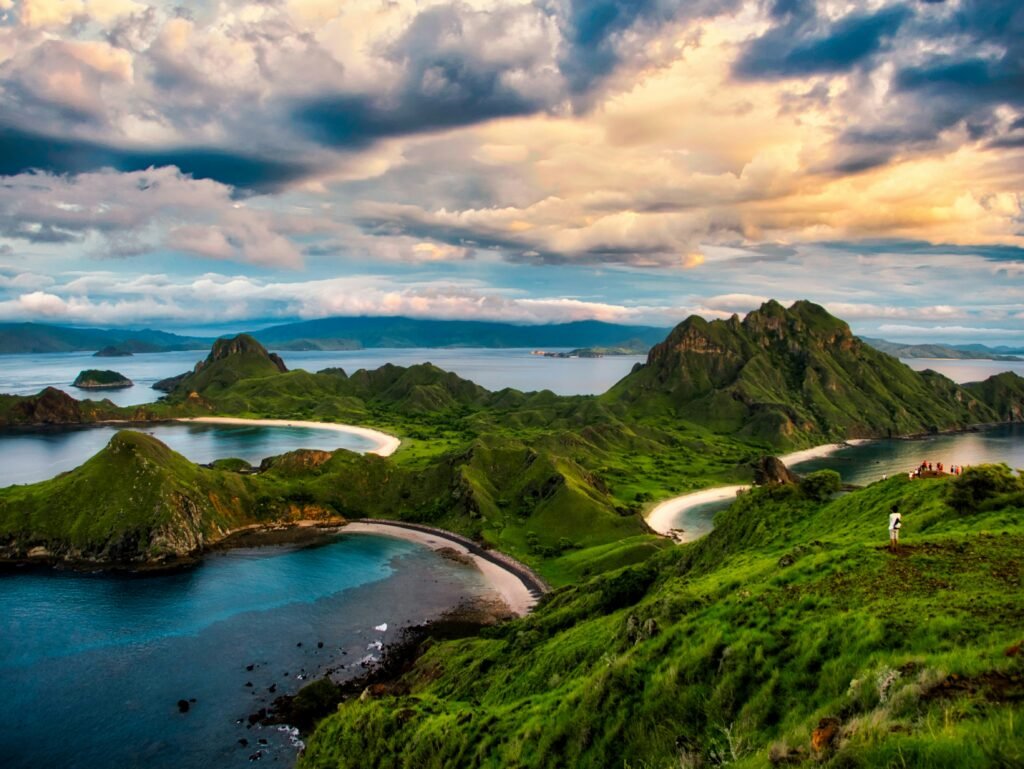
Lundy is three miles long, half a mile wide and 12 miles off the coast of England. It’s one of the UK’s most remote inhabited islands — continue west and the next land mass is Canada. There are no roads, no cars and therefore no pollution. There are no street lights and the electricity turns off at midnight, plunging the island into a kind of darkness that’s almost extinct on the mainland. Constellations spill across the sky and the evening orchestra is amplified: wind, waves and the rasping cries of Manx shearwaters that once made seafarers think islands like Lundy were haunted. With sparse internet and phone signal, it’s like the world vanishes.
Lundy offers a rare peace.Getting there is part of the adventure. In winter, a helicopter makes the seven-minute flight, while in summer, the MS Oldenburg completes the two-hour crossing from Bideford or Ilfracombe. The Bristol Channel is unpredictable and crossings can be cancelled. In 2024, we were temporarily stranded.
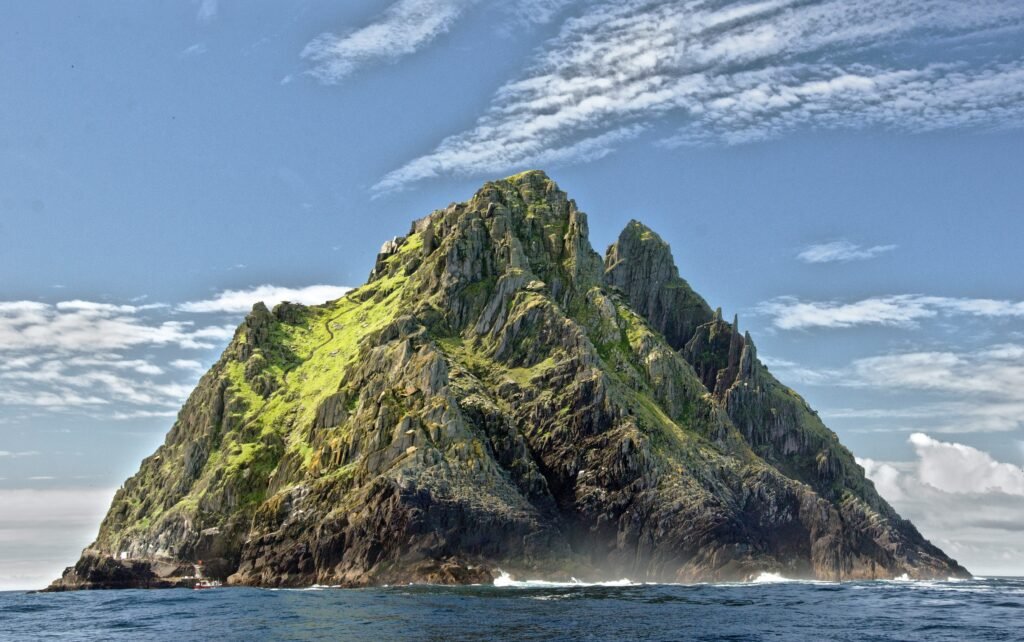
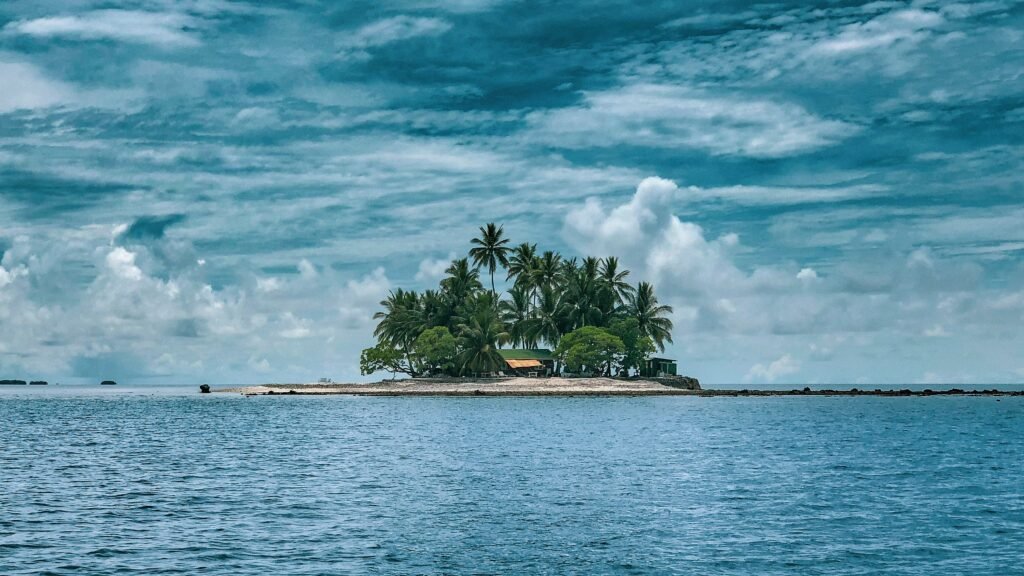
An island is any landmass smaller than a continent completely surrounded by water, found in oceans, lakes, or rivers. There are hundreds of thousands of islands globally, ranging from massive landmasses like Greenland (the world's largest) to tiny, uninhabited islets. They are generally classified as continental (part of a continental shelf) or oceanic (formed by volcanic activity or hotspots).
Key Aspects of Islands :-
Largest Island: Greenland is considered the largest island in the world, covering over 840,000 square miles.
Types of Islands: Primarily classified into continental islands (e.g., Greenland, New Guinea) and oceanic islands (e.g., Hawaii, Galapagos).Human Settlement: Humans have settled on islands for thousands of years, with island societies often developing unique cultures, ecosystems, and, in some cases, limited resources that necessitate specific survival strategies.
Smallest Islands: The "smallest" island is subjective, as many small rocks and sandbanks exist, but they must be permanently above water to be classified as such
Archipelago: A group of islands, such as the Andaman and Nicobar Islands, is known as an archipelago.
Island Formation & Ecology :-
Islands form through various geological processes, including volcanic eruptions (oceanic islands) or through shifts in sea levels and plate tectonics that detach land from continents (continental islands). Their isolation often creates unique, fragile ecosystems with specialized flora and fauna found nowhere else on earth.